

The allure of risk and reward
The psychology of human behavior is intricately tied to the concepts of risk and reward, especially in the context of casino games. Players are often drawn to the thrill of potentially winning big, which activates the brain’s reward centers. This activation releases dopamine, providing a sense of pleasure that reinforces the desire to play. As a result, many individuals find themselves attracted to games that offer large payouts, even when exploring australian online pokies might present a better opportunity, even if the odds are not in their favor.
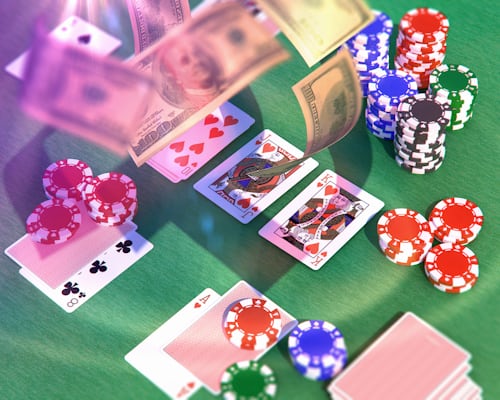
Moreover, the anticipation of winning can outweigh the reality of losing. This phenomenon is often referred to as the “gambler’s fallacy,” where players believe they have a better chance of winning after a series of losses. This cognitive bias can lead to prolonged play, as individuals chase their losses and continue to take risks, further entwining psychology with their gaming choices.
The impact of social influences
Social dynamics play a significant role in how individuals choose casino games. Group environments can amplify the excitement surrounding gambling, as players often feel a sense of camaraderie and competition. This social aspect can lead individuals to select specific games based on what their peers are playing, creating a bandwagon effect. People may opt for popular choices like poker or roulette, not just for the game itself, but because of the social interaction that comes with it. The choices made often reflect a desire for social acceptance and bonding.
Additionally, social validation can significantly influence a player’s choices. When individuals observe others enjoying success, they may be more inclined to partake in similar games. Positive social reinforcement can create a feedback loop wherein individuals are encouraged to try games that others endorse, further shaping their gambling behaviors. This interconnectedness reveals how much our preferences can be impacted by those around us.

